%20(2).png)
When Is the Best Time of Year for School Residential Trips?
Updated: May 21
What is the best time of year for a school activity residential? Our honest answer is any time! With so much to gain from a school trip, we looked at the different considerations schools make when planning their multi-day outdoor activity residentials.

Summary
School residential trips can deliver value at any time of year, with the “best” timing depending on your school’s goals, curriculum needs, and student development priorities.
Autumn residentials are ideal for induction, team building, and helping students build confidence, independence, and stronger peer relationships early in the academic year.
Residential trips like those at Mendip Activity Centre are linked to curriculum milestones, helping students connect classroom learning with real-world experiences through outdoor education, active learning, and hands-on activities.
Table of Contents
Why Are Outdoor Activity School Residentials Important?
In subjects from earth sciences to history and art, outdoor activities offer amazing opportunities to enrich the existing curriculum and add another dimension to the learning experience. Through active learning and working together, pupils develop strong connections with the curriculum and learn skills that will benefit them in future.
What Are Residential Trips Like Throughout the Year?
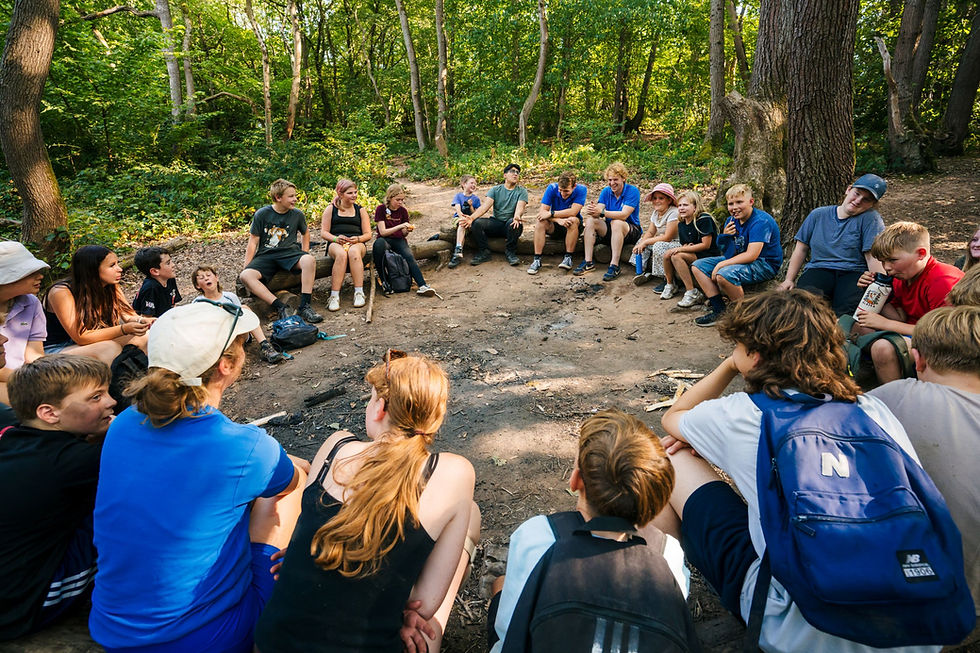
Any time of year is good for a school residential trip, but here's what you can expect from outdoor activities through the seasons:
Autumn: Great for bonding and setting the tone for the year.
Winter: Quieter, builds resilience and self-belief
Spring: Aligns with curriculum and longer days
Summer: Celebratory end-of-year reward
Things to Consider When Planning a School Trip
The main factors organisers consider are:
Purpose of the trip
Curriculum links
Enrichment opportunities
Accommodation requirements
Dietary needs
These factors indicate which time of year best suits your school activity residential, and which outdoor activity provider can meet your requirements.
How to Pick the Best Time of Year for School Residentials
When schools book residential trips, the timing depends on the purpose of the trip. Some key occasions that can influence when a residential trip happens include:
Start-of-year induction
Mid-year refresh
End-of-year celebration
Curriculum milestones
Upcoming challenges like exams
Here are some ideas to help you choose the best time of year for your school's activity residential.
Tip from a Teacher:
Ally, a teacher who regularly attends Mendip residentials with her students, suggests setting up a working document with key dates marked to help figure out your school trip-planning timeline and the desired outcomes.
Start the Year on the Right Foot: Inductions and Icebreakers
Activity residentials at the start of the academic year help students:
Build existing relationships
Develop new connections
Cultivate awareness of their capabilities
Instructors encourage young people to develop independence and self-reliance to help develop problem-solving, communication, and decision-making.
Cultivate and Reward Resilience: Enrich the Learning Experience, Naturally
Build positively on time in the classroom with fun adventures complemented by organic learning opportunities. When children try outdoor activities like Rock Climbing, Caving, or team games, they develop their self-belief and learn to approach risk safely and push through challenges.
School trips are reinvigorating rewards for students and, with numerous benefits to spending time in nature, young people can enhance resilience and unlock new interests.
Link It With the Curriculum
Deepen students’ understanding of the academic curriculum with activities that overlap with key learning areas.
Ages 7-11
Ages 11-14
Ages 14-16
Students benefit from applying what they have learned in the classroom to real-world scenarios, expanding their worldview and making new connections.
Prepare for Challenges: Milestones and Transitions
Exams like GCSEs or transitions to a new year can impact young people and how they manage their personal circumstances. Activity residentials help students relax, reconnect with each other and develop confidence in their own abilities.
The purpose of the residential will influence when to deliver it, so keep that in mind when planning the school calendar.

Support Learning Outcomes With Outdoor Activity Residential Trips
Young people experience academic subjects differently when they see how those topics relate to real-world environments.
Students can experience theory and concepts in action outdoors when they:
See geology come alive in a cave
Walk in the steps of historical figures on the hills
Observe unique plants and animals
Multisensory learning in an outdoor environment enhances classroom lessons, and learners enjoy experiences that can’t be replicated at school.
School Residentials at Mendip Activity Centre
If there is a specific part of the curriculum your school wishes to highlight, consider booking an activity residential to coincide with that subject. Mendip can adapt the itinerary to help your students achieve specific learning goals.
"Having recently completed a short residential at Mendip Activity Centre with a class of 8 to 9 year olds, I'm really pleased to share that we had an amazing time! We'll definitely be back. The location, choice of activities and the support and care of all staff was brilliant." - Wrington Primary School
Explore activities related to science subjects like Caving and Watersports, or arrange a schedule that highlights local history and culture through Bushcraft and Archery. Students enjoy a change of scenery, and we will be more than happy to discuss your school’s needs at any time of year.
Adventure, Personal Growth, and Development
School activity residential trips are amazing enrichment opportunities that allow students to:
Try new things
Develop personally
Enhance their academic experience
With assistance from your activity provider, school trip organisers can select activities that encourage communication, teamwork and positive-growth mindsets, which support healthy approaches to risk and challenge.
Outdoor Activities as Enrichment
Enrichment activities are beneficial at any time of year, and educators are increasingly aware of how they trickle out into other aspects of young people’s lives.
Enrichment activities may not be directly related to curriculum topics, but they support the learning and development of skills like:
Critical thinking
Motor skills
Empathy
Emotional intelligence
Resilience
These skills help students navigate life in both educational settings and out in the wider world.
Activity Residentials Designed for Your Students
Working with the school, activity providers will develop an itinerary around the organiser’s goals for the residential.
Alongside structured activities, every school realises the importance of allowing young people the time to immerse themselves in the residential experience. Look for a provider that creates opportunities to relax, connect and explore in a technology-free environment where young people feel safe and comfortable.
School Requirements for Outdoor Activity Residential Trips
Location and capacity are important factors when planning a residential trip. The location influences transport and the activities on offer. Plus, the provider must have the capacity and catering capabilities to meet the school’s needs.
Tip from a Teacher:
Some key areas to check when researching activity residential providers include:
Sleeping arrangements for students and chaperones
Safeguarding procedures
Risk assessments
Dietary accommodations
Accessibility accommodations
Location
Pick a provider that is easy to get to. Do they have adequate coach space and parking for teachers who brought their vehicles? Do they have the activities you are interested in?
There are amazing activity providers across the country, so it’s possible to find a venue locally or further afield. If the school is near the activity centre, they may offer progressive activity day-trip programs that can be booked without the residential.
Make it a Mendip Residential in North Somerset
Situated in Churchill, only a few minutes off the A38 and about 15 minutes from Junction 21 on the M5, Mendip Activity Centre can accommodate up to 300 students and is ideally located 30 minutes from Bristol for schools seeking an amazing outdoor activity residential.
Accommodation capacity
How many students are attending the residential?
School residential trips can be organised for small classes or entire year groups, and accommodation capacity is likely one of the main factors in your decision. Activity providers offer a range of options, with some specialising in large groups and others catering to small groups. The accommodation can be anything from canvas tents to large bunkhouses, and toilet facilities can be basic or just like home.
Catering
Catering is also important, and activity providers should be able to accommodate dietary requirements and offer plenty of food to keep students going throughout the trip.
Trip organisers should discuss any dietary requirements as soon as possible to help the residential run smoothly and make sure everyone’s needs are met.
Tip from a Teacher:
Teacher and frequent Mendip residential organiser Bev suggests doing a preliminary site visit to see if the venue suits the group and offers the right mix of fun, organisation and safety.

Pick a Time That Suits Your Students
If it’s a good time for your school, it’s a good time to run a school residential! However, while autumn, winter, spring and summer all offer real experiences and genuine adventure, many schools opt to take their trips in the spring or autumn to take advantage of longer days and milder weather.
Click here to find out how local teachers Bev and Ally organise their residentials, and you can email us at hello@mendip.co.uk for more information.
Experience a Mendip School Residential
Easy organising from start to finish
Professional instructors and fantastic support staff
Adventure onsite
Activities and accommodation at any time of the year
With awesome activities and unique, fully catered accommodation options for up to 300 students, Mendip school residentials are like nothing else. We are experts at delivering screen-free adventure activities to boost confidence, build resilience and help young people reconnect with nature.
"Children have approached me on the playground as PE lead and have thanked me for booking it as they had the best day ever!" - St Andrew's CE Primary School
You can see an example activity itinerary and find out more about Mendip’s school residentials here.
School Residential FAQ
When is the best time of year for a school residential trip?
The best time for a school residential trip depends on your educational goals, student age group, curriculum focus, and desired outcomes such as team building, outdoor learning, or transition support.
Why are autumn school residential trips popular?
Autumn residential trips are popular because they help students settle into a new school year, build friendships, improve confidence, and strengthen communication skills early in the term.
Are spring residential trips good for curriculum learning?
Spring residentials are often ideal for curriculum-linked outdoor education, giving students practical, hands-on learning experiences that support classroom topics and personal development.
Should schools plan residential trips before exams?
Many schools schedule residential trips before exams or key transition periods because outdoor activities and shared experiences can improve resilience, well-being, confidence, and teamwork.
What are the benefits of residential trips for students?
School residential trips help students develop independence, social skills, confidence, problem-solving abilities, leadership qualities, and stronger peer relationships through shared activities and challenges.
How far in advance should schools book a residential trip?
Schools should book residential trips as early as possible to secure preferred dates, accommodation, transport, and activity availability, especially during peak seasons.
What factors should schools consider when planning a residential trip?
Schools should consider safeguarding, accommodation quality, activity options, accessibility, transport logistics, catering, budget, and the educational value of the residential experience.
How do outdoor residential trips support student wellbeing?
Outdoor residential experiences encourage physical activity, teamwork, confidence-building, and time away from classroom pressures, which can positively support student mental health and well-being.
Are residential trips suitable for all age groups?
Residential trips can be tailored for primary, secondary, and college students, with activities and learning outcomes adapted to suit different ages, abilities, and educational objectives.
Why is outdoor learning important in school residentials?
Outdoor learning helps students engage with real-world environments, improve communication and problem-solving skills, and gain memorable experiences that reinforce classroom learning.