%20(2).png)
Our Response to the Government’s Social Media Ban
Updated: Jun 21

Summary
The government’s proposed under‑16 social media ban highlights the urgent need for real‑world, screen‑free alternatives that nurture children’s wellbeing.
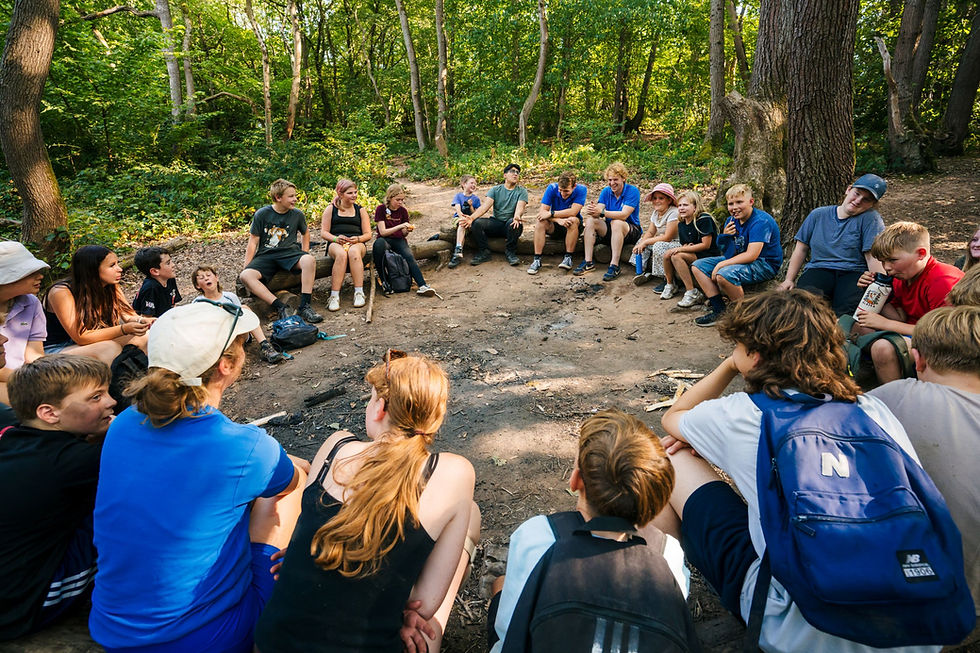
Mendip Adventure champions outdoor learning as a powerful antidote to excessive screen time, helping young people build confidence, creativity, and resilience through nature.
To make the ban genuinely beneficial, families, schools, and communities must ensure every child has access to affordable, engaging alternatives to screen time.
The Intersection of Technology, Education, and Child Wellbeing
Last year, in response to the government’s review of school curricula and outdoor education, David Eddins, CEO of Mendip Adventure, wrote about why every child should have access to outdoor activity residentials. That review recognised the role of adventure and outdoor learning in helping young people grow in confidence, resilience and wellbeing.
Now, the government has turned its attention to another major influence on childhood: technology and social media. A national consultation has explored the impact of screen time on children and young people, resulting in a planned ban on social media for under-16s.
Together, these reviews highlight a growing awareness of how education, technology and wellbeing intersect, and how vital it is to offer meaningful alternatives to screen time.
We caught up again with David Eddins to find out his response to this social media ban.
Why I Believe Outdoor Adventure is an Important Alternative to Screen Time
I’ve spent my entire career helping people of all ages discover the benefits of outdoor adventure. In recent years, I’ve seen how time outdoors is a great screen-free alternative for kids, counteracting the effects of too much time spent on devices.

What Too Much Screen Time Does to Children
Technology is woven into everyday life, but it’s easy to underestimate how much time children spend on screens at home, school, and in their free time.
Excessive screen use can:
Limit imagination and creativity
Reduce social interaction and confidence
Affect attention span and patience
Restrict physical movement and development
These effects aren’t abstract. Over the last 10 years or so, we’ve seen an increase in young people displaying anxiety and a lack of confidence. However, it warms our hearts to see them flourish in nature and leave energised, focused, and full of stories about what they achieved outdoors.
Why Outdoor Adventure is the Perfect Antidote
Spending time in nature reveals a host of engaging, entertaining, and stimulating activities that encourage imagination, social skills, physical health and more.
Outdoor Activities Help Stimulate:
Imagination: Outdoor activities invite creativity and problem-solving. Whether it’s reading a map and planning a route or navigating a cave, children learn to think independently and use their imagination in real-world scenarios.
Social interaction: Adventure is rarely solitary. It encourages teamwork, empathy, and communication; it’s the kind of face-to-face connection that builds emotional intelligence and confidence.
Attention span: Screens reward instant gratification. Outdoor experiences reward patience and persistence. Waiting your turn on the archery range, or focusing on a kayak stroke, teaches concentration and calm.
Physical health: Adventure gets children moving. It builds strength, coordination, and balance, and reminds them that physical challenges can be fun rather than intimidating.
These experiences don’t just replace screen time; they reshape how young people see themselves and the world around them.
Finding Screen-Free Alternatives for Kids
A social media ban might reduce exposure to harmful content, but it won’t automatically fill the gap it leaves. To make this change genuinely beneficial, we need to ensure children have access to positive, engaging alternatives.
That means:
Making outdoor experiences accessible and affordable for all families.
Supporting schools and youth organisations to include adventure and nature in their programmes.
Encouraging communities to create safe, welcoming spaces for outdoor play and exploration.
When children discover the joy of real-world adventure, they’re less likely to crave constant onscreen stimulation. They learn that excitement, connection, and creativity exist beyond the devices.
We Believe in Screen-Free Adventures
Just as we believe every child should have the chance to experience an outdoor residential, we believe every child deserves opportunities for screen-free outdoor adventure.
Time outdoors boosts confidence, energy, and self-belief, and it reconnects young people with themselves and others.
The government’s consultation shows a willingness to address the challenges of technology and social media. Now it’s up to all of us to make sure the alternatives are ready and waiting.
David Eddins, CEO of Mendip Adventure.